Textiles .
Our specialism is textile-based products. Fabric behaves differently depending on the fibre it is made from, and understanding that behaviour is what allows a product to feel right and perform well over time.
Fibre choice is a functional decision.
The fibre a product is made from is not a cosmetic detail. It determines how the fabric feels against the skin, how it holds its shape, how it copes with washing and wear, and how comfortable it is in different conditions. Selecting the right fibre, or the right combination of fibres, is one of the most consequential decisions in developing a textile product, and we treat it as such. For a deeper reference, including weave construction and fabric weights, see our materials guide.
-
Cotton
A natural fibre valued for breathability, softness and comfort against the skin. Cotton handles moisture well and has a natural feel that is difficult to replicate, which makes it a strong choice where comfort and everyday wearability matter most.
-
Polyester
A durable synthetic fibre that holds its shape, resists creasing and dries quickly. Polyester stands up well to repeated use and washing, which makes it useful where longevity, structure and low-maintenance performance are priorities.
-
Cotton–polyester blends
Blending the two balances their strengths: the comfort and breathability of cotton with the durability and shape retention of polyester. The ratio can be tuned to lean towards softness or towards resilience, depending on what the product needs to do.
How a specification is read.
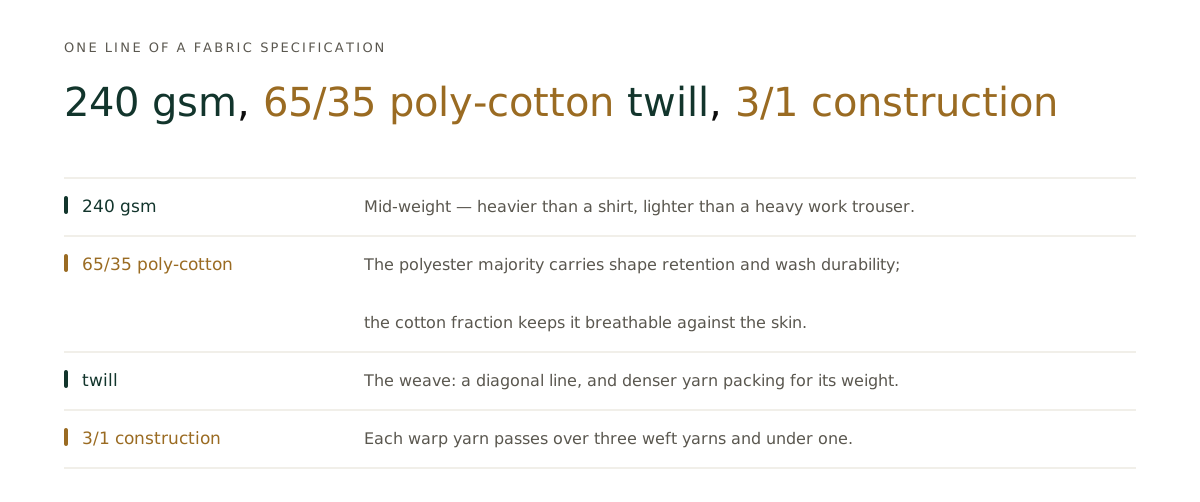
Take a single line from a fabric specification: 240 gsm, 65/35 poly-cotton twill, 3/1 construction. Each element tells you something concrete.
240 gsm places the fabric: heavier than a shirt fabric, lighter than a heavy canvas; a mid-weight built for daily use. 65/35 poly-cotton says the polyester majority will carry shape retention and wash durability, while the cotton fraction keeps the fabric breathable and comfortable against skin. Twill, 3/1 describes the weave: each warp yarn passes over three weft yarns and under one, producing the diagonal line twill is known for, a construction that packs yarn densely, resists abrasion, and drapes well for its weight.
One line, and you already know roughly how the fabric will feel, wash and wear. Reading specifications this way, rather than as marketing copy, is the basis of every material decision we make.
Dimensions and proportions.
A specification fixes a product's dimensions. Proportion is how those dimensions relate to each other and to the person using the product, and it is where many fit problems in this category actually come from. When an apron's length is changed without adjusting strap length and coverage width in proportion, a design that works on paper sits badly in use — riding too high, gaping at the sides, or tying in the wrong place.
That is why a complaint concentrated in one dimension points to proportion rather than concept, and why we treat the full measurement set as part of the specification, not an afterthought left to default increments.